A Periodic Table Design for Your Embroidery Machine
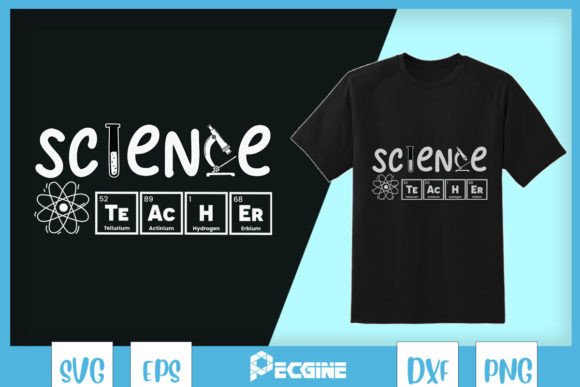
When a new design lands in my inbox, I look at it first as a potential stitch-out, not just as a pretty picture on my screen. The Science Teacher Periodic Table SVG is one of those files that immediately sparks a practical brainstorming session. It’s not a generic graphic; it’s a theme with a clear personality. Your first impression is of orderly, clean knowledge—a layout that feels both classic and clever. This isn’t a whimsical cartoon; it’s a design with a confident, intellectual mood. That tells me right away that it belongs on projects for a certain audience: the educators, the students, the science enthusiasts, the lifelong learners.
Where This Design Finds Its Best Home
I picture this design stitched onto a custom tote bag for a chemistry teacher, a neat satin stitch outline making the elements pop on the cotton canvas. I imagine it centered on the back of a heavyweight sweatshirt, a gift for a graduating biology major. The pre-sized formats mean you can get it into your software quickly, but the real magic is in thinking about the final product. It’s a perfect fit for personalized gifts that celebrate achievement and passion—a baby onesie for a physicist parent, an apron for a home science enthusiast, a durable patch sewn onto a lab coat or a backpack.
For small business owners and Etsy sellers, this design is a solid commercial embroidery asset. It taps into a niche but passionate market. A well-embroidered pillow cover or tea towel with this periodic table isn’t just decor; it’s a statement piece that adds value and customer trust because it feels thoughtfully chosen, not mass-produced. It elevates a simple garment into a boutique product.
The Practical Stitch-Out Considerations
Now, let’s talk about the machine embroidery reality. The layout is inherently detailed with its grid and lettering. This means you need to be mindful of your hoop size. A small hoop might force too much compression, risking unclear tiny lettering. I’d recommend a medium to large hoop area to allow the design’s structure to breathe. On textured fabrics like a cozy sweatshirt, a good stabilizer is non-negotiable to keep those clean lines from getting lost in the knit.
Stitch density is a key thought here. Areas with fill stitch for the element squares need to be balanced; too dense on thin fabric like a t-shirt could lead to puckering, while too light might look sparse. Always, always test on a scrap of your actual project fabric first. This is my golden rule. Check your thread color contrast, especially if you’re moving from a light fabric mockup to a dark fabric like a black cap. The design’s clarity depends on that contrast.
Where To Be Extra Careful
Some applications require a bit more forethought. On curved surfaces like caps, the rigid grid layout might need slight adjustments in placement to look natural. On stretchy fabrics, you’ll want to ensure your stabilizer strategy is robust to prevent distortion after washing. And if you’re considering very small-scale embroidery, perhaps on a baby item collar detail, evaluate whether the smallest text will remain legible after stitching—sometimes simplifying a detail maintains the overall impact.
The included PNG with a transparent background is a gift for creating printable mockups for your digital product listings or client previews. It helps you sell the vision before the needle even touches the fabric.
How This Design Elevates Your Finished Product
From a professional designer’s view, the Science Teacher Periodic Table SVG brings more than just stitches to a project. It brings recognition and a sense of shared identity. A customer receiving an embroidered kitchen towel with this design isn’t just getting a towel; they’re getting a nod to their profession or hobby. That enhances giftability and buyer engagement immensely.
For your craft business, using a design with such a clear theme supports brand consistency if you cater to the academic or smart-gift market. It shows you understand your audience. The handmade presentation gains a layer of professionalism because the design itself is purposeful and well-structured.
A Quick Designer’s Checklist Before You Hoop
- Test the embroidery file on scrap fabric matching your project’s weight and texture.
- Review stitch density in your software preview, especially for the filled elements.
- Confirm your planned hoop size accommodates the entire layout comfortably.
- Inspect small details like atomic numbers and symbols for potential clarity issues.
- Run mental mockups: visualize it on both light and dark fabric backgrounds.
- Use proper stabilizer—this is critical for maintaining the design’s clean geometry.
- Check the licensing terms for the Science Teacher Periodic Table SVG before using it for commercial embroidery projects or selling finished items. This is a must for digital product sellers and creative entrepreneurs.
- Remember, the versatile formats (SVG, PNG, DFX) are ready-to-use, but your successful stitch-out depends on your preparation.
Ultimately, this design isn’t just a graphic; it’s a tool for creating meaningful, durable embroidery projects. It has the weight to stand out on a tote bag and the precision to look sharp on a custom apparel. Approach it with a thoughtful setup, and it will reward you with a finished product that feels both personal and professionally crafted, exactly what makers and decorators aim for.