A Designer's Practical Review of the Teaching Fuel SVG
As someone who has stitched countless designs onto everything from t-shirts to tea towels, I approach every new file with a practical eye. The question isn't just “is it cute?” but “how will it perform in real life?” Today, I’m looking at the Teaching Fuel SVG, a design squarely in the T-Shirt Designs category as a Graphics file, and thinking about how it translates from digital preview to physical thread.
The Immediate Mood and Visual Personality
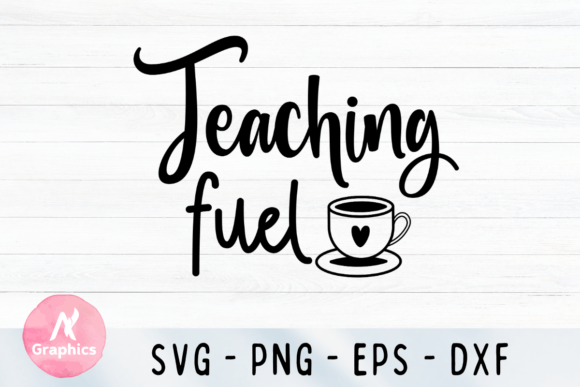
The Teaching Fuel SVG presents a theme that’s both clear and heartfelt. For a teacher-specific design, it sets a warm, appreciative, and slightly playful mood. The layout and concept suggest it’s meant for recognition and celebration. From a designer’s perspective, the shape and detail level feel intentional—it’s not overly cluttered, which is a huge plus for embroidery. A clean, well-defined theme like this translates beautifully into stitchwork, creating a focal point that’s easy for customers to understand and connect with immediately. This visual personality feels perfect for personalized gifts and small shop merchandise where emotional resonance is key.
Where This Design Finds Its Perfect Home
Imagine preparing a custom embroidered tote bag for a teacher appreciation gift. This isn’t a generic graphic; it’s a statement. The Teaching Fuel SVG would sit beautifully on the canvas of a sturdy tote, becoming a durable, usable token of thanks. Similarly, it feels naturally suited for a cozy sweatshirt embroidery, a crisp apron for a classroom volunteer, or a sweet, subtle piece on a baby item if the baby’s parent is a teacher. For a craft business selling at holiday markets or through Etsy listings, this design could anchor a whole line of teacher-themed products—pillow covers, kitchen towels, or simple patches. Its clarity makes it excellent for printable mockups, helping customers visualize the finished product quickly, which builds trust.
Navigating the Practical Stitching Landscape
In real-life embroidery situations, performance is everything. On custom apparel like t-shirts and sweatshirts, the design’s potential simplicity should allow for good stitching clarity. On a tote bag, the thicker fabric would support the stitch density well. For baby clothes or blankets, you’d want to ensure the scale is appropriate—not too large, but still legible and charming. For caps or hats with curved surfaces, the design’s central, likely compact shape would be a good candidate, provided the details aren’t too tiny.
However, this is where a designer’s caution comes in. With any design, you must consider its application carefully. If the SVG contains very small lettering or intricate decorative accents, these areas could become tricky on textured fabrics or in smaller hoop sizes. Stitch density needs to be balanced; too dense on a thin or stretchy fabric like a lightweight t-shirt can lead to puckering. On dark fabric, thread color contrast is paramount—a test on scrap fabric is essential to see if the intended colors pop. For products destined for frequent washing, like apparel or kitchen towels, a robust stitch structure and proper stabilizer use are non-negotiable to maintain the handmade presentation and professionalism.
Turning a Digital File into Customer Value
How does the Teaching Fuel SVG affect the final product’s appeal? When executed well, it elevates the item. It turns a simple sweatshirt into a thoughtful gift. It transforms a basic tote into boutique branding. For an Etsy seller or small business owner, using a clear, well-themed design consistently across products—say, on an apron, a pillow, and a patch—builds brand consistency and buyer engagement. Customers recognize the sentiment and the quality. The giftability skyrockets; it’s no longer just an object, but a meaningful artifact. This directly impacts customer trust and the perceived value of your craft business items.
Essential Designer Notes Before You Hoop It
Before you run this embroidery file for a client project or commercial embroidery work, a few steps are crucial. First, always test the design on scrap fabric of the same type you plan to use. This reveals how it handles the fabric texture and whether the stitch density needs adjustment. Check the small details in the SVG closely; are there corners or elements that might require a satin stitch or a fill stitch to look clean? Run it through black and white mockups and compare it on light and dark fabric backgrounds digitally to plan your thread colors.
Most importantly, confirm the licensing. Your purchase includes the SVG and a PNG, but the description doesn’t specify commercial use. Before selling finished items or digital products based on this design, you must verify the license terms. It’s a fundamental step for any creative entrepreneur or digital product seller to operate ethically and safely.
For machine embroidery, hoop size and stabilizer choice will be dictated by the final project’s scale and fabric. Since exact details like stitch count aren’t provided, your pre-test will give you the answers you need. Remember, a great digital embroidery file is just the starting point; your skill and preparation turn it into a standout finished product.
The Final Verdict for Makers and Decorators
The Teaching Fuel SVG has the core attributes that make a design successful in the real world: a clear theme, a mood that connects, and a layout that seems adaptable. Its strength lies in its specific application—teacher appreciation—which is a powerful niche for personalized gifts and small shop products. For apparel decorators and makers, it represents a reliable design asset for holiday gifts, wedding gifts for educators, or simple commercial embroidery projects for school boutiques.
Approach it with a professional’s practical mindset: test thoroughly, choose your applications wisely—avoiding overly small or unstable surfaces if the details are fine—and always respect the licensing. When you do, this design can fuel not just appreciation for teachers, but also satisfying, beautiful projects for your craft.