A Designer's Review of the Pre-K Dude SVG Hello School Kids Design
When a new embroidery file lands in my library, I don’t just look at the preview. I think about how it will actually look once the thread hits the fabric. I consider the vibe it will create, the product it belongs on, and the reaction it will get from a customer or the recipient of a gift. That’s the lens I’m using today to evaluate the Pre-K Dude SVG Hello School Kids design.
First Impression: A Playful Welcome to School Days
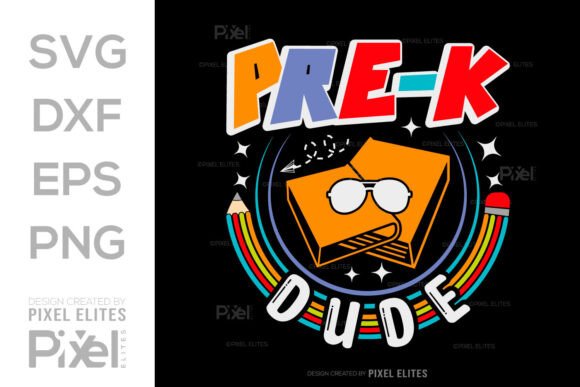
This design immediately strikes a friendly, upbeat tone. The central figure—the “Pre-K Dude”—has that classic, cheerful cartoon charm that feels both nostalgic and current. The “Hello School” text is integrated in a way that doesn’t overpower the graphic; it’s part of the overall statement. The layout is clean and well-balanced, which is crucial for embroidery. Too many tiny, scattered elements can turn into a stitching nightmare, but this composition looks manageable. Its personality is clearly geared toward celebrating early education, first days, and that special preschool pride.
Where This Design Naturally Belongs in Your Project Lineup
Thinking practically, this embroidery design isn’t just for T-Shirt Designs. Its theme and scale make it a versatile digital embroidery file. I’d naturally lean towards it for custom apparel like kids’ sweatshirts or a teacher’s polo. But it also shines as a feature on a tote bag for a preschool volunteer, a cozy baby blanket, or a decorative apron for a classroom helper. It has that “giftable” quality. Imagine a personalized gift for a parent sending their little one off to pre-K—an embroidered patch on a backpack or a small design on a pillow cover for a nursery. For small business merchandise, this fits perfectly into a boutique’s line of school-themed items or an Etsy seller’s seasonal holiday embroidery collection for back-to-school.
The Real-Life Scenario: A Custom Embroidered Sweatshirt
Let’s walk through a typical use. I’m preparing a custom sweatshirt embroidery order for a client whose child is starting preschool. They want something special but not overly flashy. I open the Pre-K Dude file. The clean lines and distinct shapes suggest it will translate well into stitches, even on the textured fleece of a sweatshirt. I’m thinking about thread colors—bright, primary colors for the dude, a crisp white or black for the text to ensure readability. The final product will feel handmade yet professional, elevating a simple sweatshirt into a cherished item. That’s the kind of value this craft business asset can add.
Performance Considerations for Actual Stitching
This is where experience dictates caution and planning. The design’s appeal depends on stitching clarity. The text, especially “Hello School,” needs attention. On dark fabric, you’ll need excellent thread color contrast and possibly a lighter fill stitch background for the letters to pop. On stretchy fabric like tee knits, a strong stabilizer is non-negotiable to prevent distortion.
For small hoop sizes, you must check the overall dimensions. If the design is too large for a small hoop, you risk losing detail. Conversely, if you shrink it down too much for a baby embroidery item like a tiny cap, those “detailed corners” and the smaller lettering might become fuzzy or fill up with too dense stitches. Always test the design on scrap fabric first, using the same material you plan for the finished product. This tells you if stitch density is appropriate and if any sections, like potential satin stitch borders, behave well.
Where to Use This Design with Extra Care
Some applications require a thoughtful approach. On curved surfaces like caps, the design’s flat, horizontal layout might need slight resizing or positioning adjustments to look balanced. For products that need frequent washing, such as kitchen towels or kids’ wear, ensure your stitch choice and thread quality are durable. The design’s charm lies in its clean graphic look; on overly textured fabrics like a thick blanket, you might lose some of that crispness unless you use a heavier thread weight or adjust density.
Boosting Visual Appeal and Customer Trust
From a business perspective, using a well-executed version of this design on your handmade product increases perceived value. It shows attention to theme and quality. For brand consistency, if your shop focuses on school or children’s items, this fits the narrative perfectly, building recognition. In a printable mockup for your online listing, it presents as a professional, ready-to-use design asset. That builds buyer engagement and customer trust—they can visualize the final embroidered patch or apparel clearly.
Practical Notes for Embroidery Designers & Makers
Before you commit this to a project, here’s my standard checklist. First, confirm the specifics. The product description mentions it includes SVG, DXF, EPS, and PNG formats and is compatible with certain cutting machines. For machine embroidery design use, you must verify the exact file formats, hoop size recommendations, and any provided stitch information yourself. Always check licensing before selling finished items to confirm it’s suitable for commercial embroidery projects.
- Run a test on both light and dark fabric scraps to judge contrast.
- Inspect the small details in the design preview—are there any overly intricate spots that might not stitch cleanly?
- Consider creating black and white mockups to see how the design reads without color.
- Plan your thread palette. Bright, cheerful colors will enhance the playful mood.
- Match the design to the product’s purpose. Is it for a decorative pillow cover or a functional apron? That influences your fabric and stabilizer choice.
Ultimately, the Pre-K Dude SVG Hello School Kids design has the core ingredients for a successful embroidery project: a strong, happy theme, a clean composition, and versatile application potential. Its real-world performance hinges on your skillful execution—the right fabric, the precise setup, and the thoughtful product pairing. When done well, it becomes more than just a graphic; it’s a stitched celebration of a big little milestone, and that’s exactly what makes a design worth adding to your toolkit.