A Designer’s Review of the Funny Pi Day Teacher PNG
The First Impression: A Perfectly Balanced Whimsy
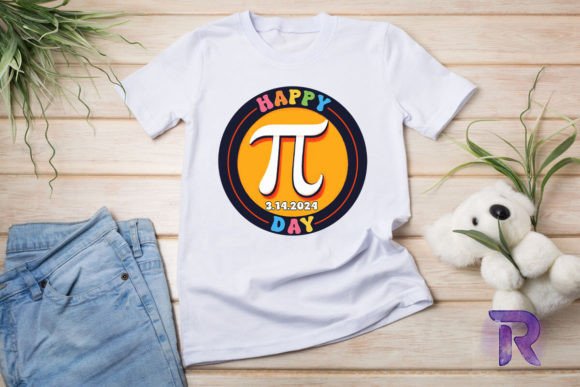
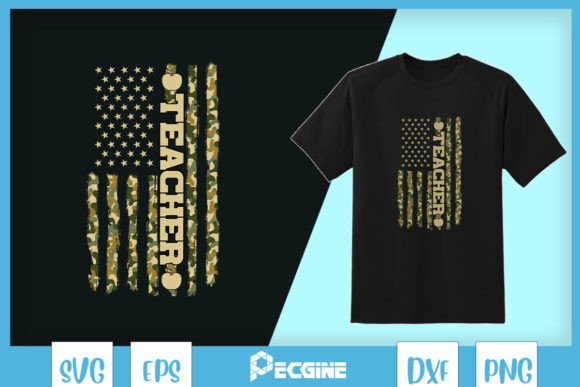
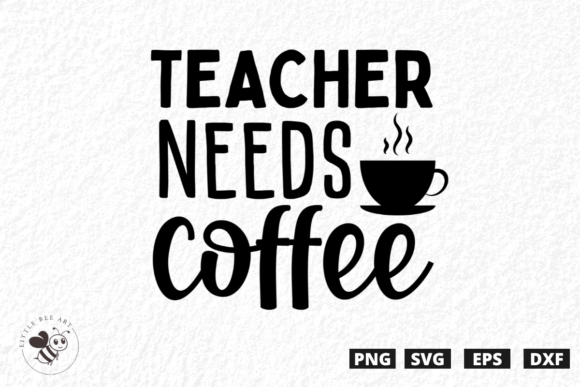
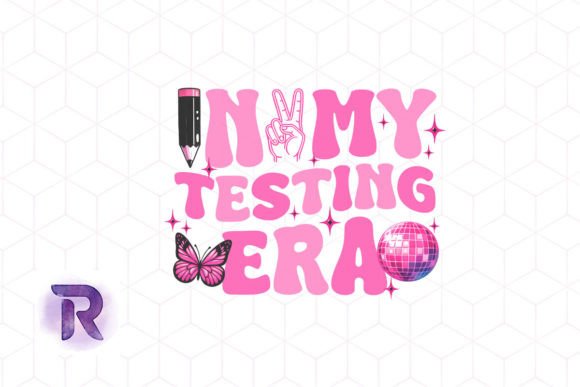
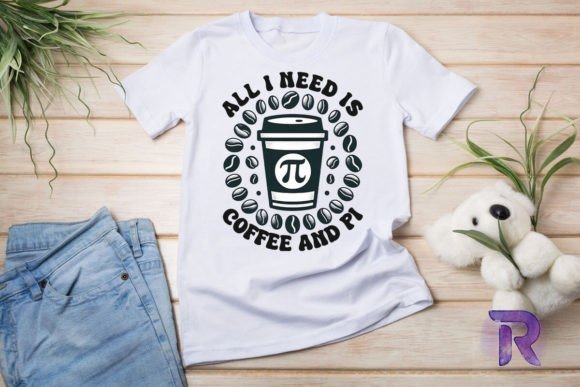
When I opened the Funny Pi Day Teacher PNG, my first thought was: this is clever without being cluttered. The design strikes a mood that’s both playful and respectful—a sweet spot for gifts aimed at educators or math enthusiasts. The layout feels balanced, with the central theme clear and the typography holding its own weight. It doesn’t scream; it smiles. This visual personality tells me it belongs on items meant to convey appreciation, humor, and a personal touch. It’s not a loud graphic for a concert tee; it’s a thoughtful accent for a handmade product.
Where This Embroidery File Naturally Belongs
In practical use, this design translates beautifully beyond just T-Shirt Designs. I immediately pictured it on a custom embroidered tote bag for a teacher—something sturdy and useful. On a cozy sweatshirt, it becomes a personal statement piece. For a lighter touch, consider a kitchen towel or a simple pillow cover in a classroom-themed gift basket. As a printable mockup for an Etsy listing, it presents cleanly, helping customers visualize the final embroidered product. Its versatility as a Graphics file means it’s equally compelling for an iron-on patch on a denim jacket or as a small, sweet motif on a baby blanket for a teacher expecting a child. The scale feels right for boutique products where the story matters more than the size.
Real-Life Scenario: Crafting a Teacher’s Day Tote
Let’s walk through a real case. I’m preparing a custom tote bag for a client who wants a gift for her child’s math teacher. I load the Funny Pi Day Teacher PNG into my software. The clean lines suggest it will stitch out with good clarity. On a natural canvas tote, I’d likely use a crisp satin stitch for the lettering and a fill stitch for the larger elements, ensuring the humor reads clearly from a distance. The design’s detail level isn’t overly dense, which is a relief—it means less puckering on the bag’s textured fabric and a smoother finish that elevates the handmade presentation. I can already imagine the teacher’s reaction: a genuine smile recognizing the thought behind the craft.
Performance in Key Embroidery Situations
For custom apparel like t-shirts and sweatshirts, the design’s moderate complexity requires attention to stabilizer choice, especially on stretchy fabric. On a dark fabric, thread color contrast is paramount—you’d want bright, cheerful hues to pop. For caps or hats with curved surfaces, the design’s layout should be tested at a smaller scale to ensure the details don’t get lost on the seam. As an embroidered patch, it would hold excellent recognition value, making it a strong candidate for small shop merchandise or craft fair products.
In commercial embroidery projects for a school fundraiser or small business branding, the design offers a friendly, engaging motif. Its giftability is high, especially for holiday gifts like end-of-year teacher presents or Pi Day celebrations. When digitized properly, the stitch density should be manageable, avoiding those tiny, troublesome corners that can fray with frequent washing—a crucial point for baby clothes or kitchen towels meant for daily use.
Caution Areas: Where to Use Carefully
While versatile, there are places to proceed with care. Very small hoop sizes might compress the lettering, losing its playful clarity. On thin fabrics like lightweight tees, a dense fill stitch area could show shadowing; a lighter stitch type might be better. The design’s success on textured fabrics like a woven apron depends heavily on a robust stabilizer. I would never run this on a delicate, layered garment without a test first. The charm is in its readability, so preserving that on challenging surfaces is key.
How It Elevates Your Product’s Value
Using a clean, well-conceived design like this directly affects customer trust and buyer engagement. When a finished product looks intentional and professionally executed, it reinforces your brand consistency as an Etsy seller or creative entrepreneur. This design, by being both funny and sweet, adds a layer of emotional value to personalized gifts. It turns a simple sweatshirt embroidery into a conversation piece, increasing its perceived worth and handmade appeal.
Practical Notes for the Embroidery Designer
Before you commit this to a final product, here are my straightforward notes from the workshop.
- Always test on scrap fabric first. Use the same texture and color as your final project to review stitch density and thread contrast.
- Check it in black and white mockups. This helps you see the form without color bias, ensuring the composition holds up.
- Compare light and dark backgrounds. You may need to adjust your thread palette for each to maintain visual appeal.
- Confirm your hoop size. Make sure the design fits comfortably without needing excessive scaling that distorts the details.
- Inspect the small details. Look at the lettering and any decorative accents in your software preview to ensure they’ll stitch cleanly.
- Use the proper stabilizer. This is non-negotiable for maintaining stitching clarity on any fabric.
- Verify licensing. Before selling finished items or digital products, confirm the commercial embroidery terms for this digital embroidery file. The product description mentions versatility for decor and gifts, but clarity on resale is your responsibility.
Remember, a design like the Funny Pi Day Teacher PNG is more than a graphic; it’s a design asset that, when executed well, becomes a memorable finished product. Its strength lies in its thematic charm and practical layout, making it a reliable choice for your next embroidery project, whether for a personal gift or a craft business item.