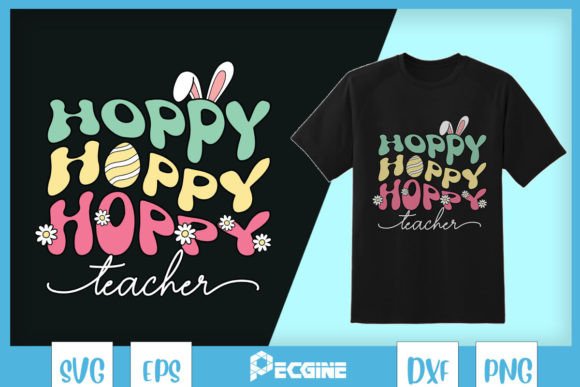
A Real-World Review of the Easter Teacher Bunny Embroidery Design
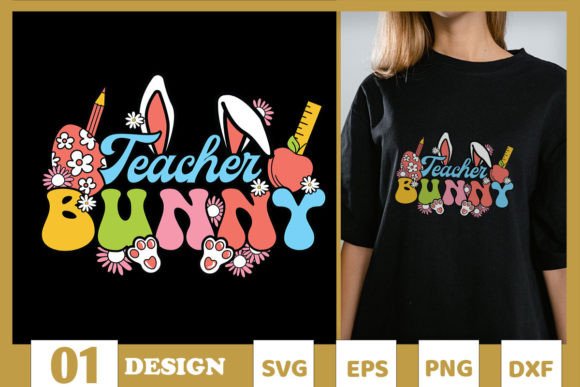
When I see a design like the Easter Teacher Bunny Happy Easter SVG, my first thought is always about how it will translate from screen to stitch. This isn't about pixels; it's about thread. The mood is immediately clear: cheerful, appreciative, and perfectly thematic for the spring season. The layout, with its central bunny figure and clear, friendly lettering, feels balanced—a crucial detail for embroidery where an unbalanced design can pull oddly on fabric.
First Impressions: Where This Design Naturally Belongs
The visual personality is sweet without being overly childish, which opens up a wider range of project possibilities. It has a gift-ready quality. My mind goes instantly to a custom embroidered tote bag for a favorite teacher, a cozy sweatshirt for a classroom volunteer, or a delicate patch sewn onto a linen apron. It feels crafted for appreciation, making it a strong candidate for personalized gifts and small shop merchandise around the holiday.
Performance in Real-Life Embroidery Situations
Let’s talk application. For a craft business owner or an apparel decorator, the included formats—SVG, PNG, and DXF—mean flexibility. The pre-sized SVG is ready for your design software, which speeds up the process considerably. In practical use, I envision this design excelling on stable, mid-weight fabrics. A cotton tote bag or a quality sweatshirt would be ideal canvases. The clarity of the “Happy Easter” text and the bunny's form suggests it would stitch out with good definition, creating a professional-looking finished product.
For baby clothes or nursery decor, you’d likely want to scale it down carefully, and for caps or hats with curved surfaces, the layout’s central focus helps with placement. As a digital product seller, having the high-resolution PNG with a transparent background is invaluable for creating clean printable mockups for your Etsy listings or digital product previews, helping with buyer engagement.
Careful Considerations for Stitching Success
This is where an experienced designer’s practical judgment comes in. While the design appears clean, there are always details to scrutinize before hooping your fabric.
First, the small lettering. “Happy Easter” and “Teacher” are key elements. On very small hoop sizes or textured fabrics like some towel weaves, these fine details could lose clarity. Always, always test the design on scrap fabric first. This allows you to review stitch density, check thread color contrast, and inspect how those small details hold up. Dark fabric backgrounds will require careful thread color selection to maintain the design’s cheerful mood.
Stretchy fabrics or thin fabrics will demand the correct stabilizer to prevent puckering, especially if the design has areas of satin stitch or fill stitch. For layered garments like a jacket, consider placement to avoid awkward seams. The bunny's outline and decorative accents should stitch smoothly, but corners and dense areas are always worth a close look in your test run.
The Impact on Your Project and Your Customer
Using a design like this isn't just about stitching; it's about the final impression. A clean, well-executed embroidery of this theme enhances product value significantly. It feels handmade yet professional, which builds customer trust. For a gift, its thematic resonance and clear craftsmanship increase its giftability. For a small business product, it supports brand consistency if your shop focuses on heartfelt, seasonal items.
Imagine a customer receiving a custom embroidered pillow cover with this design. The recognition is instant—the holiday spirit and the tribute to educators are clear. That connection is what turns a simple machine embroidery design into a cherished item. It elevates the work from a craft to a considered present or a desirable boutique product.
Practical Notes for the Embroidery Designer
Before you commit this to a client project or your next craft fair product, here’s my checklist. Test the Easter Teacher Bunny Happy Easter SVG in both black and white mockups to understand its form separate from color. Compare how it looks on light and dark fabric backgrounds in your software to plan your thread palette.
Confirm your hoop size can accommodate the design at the scale you want, especially if you’re considering smaller items like tea towels or baby clothes. While the files are pre-sized, always verify the dimensions fit your intended product. Most importantly, check the licensing terms for this digital embroidery file. Is it for personal use only, or does it include commercial use? Never assume. Confirm this before selling any finished items or commercial embroidery projects.
Finally, think about the fabric texture. A smooth cotton will give a crisp result, while a nubby linen might add a charming handmade texture but could blur the finest details. The design’s strength is its clear, celebratory message. By pairing it with the right fabric, stabilizer, and thoughtful execution, you create a product that feels both special and skillfully made. That’s the real goal for any embroidery project.