A Warm Review of the Garden Kinder 100th Day Embroidery Design
The First Stitch Impression
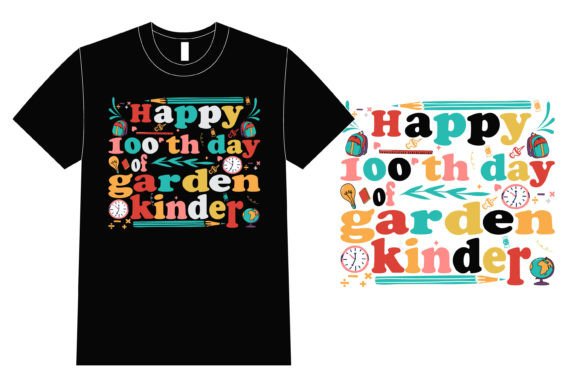
When I first opened the Happy 100th Day of Garden Kinder Design, it felt like opening a little box of cheerful nostalgia. This isn’t just another generic school graphic. It has a specific mood: celebratory, gentle, and playfully educational. The layout feels balanced, with elements that suggest growth and learning—perfect for a milestone. The detail level appears thoughtfully simplified for embroidery, avoiding overly intricate lines that could become muddled in stitching. Its visual personality is sweet without being saccharine, which makes it feel versatile. I immediately pictured it on a child’s sweatshirt or a teacher’s tote bag.
Where This Design Blooms in Real Projects
In practical terms, this design belongs to a family of projects that celebrate small, meaningful achievements. Imagine a custom embroidered tote bag for a kindergarten teacher, gifted by her class. Or a lightweight hoodie for a student to wear proudly on their 100th day. It would translate beautifully into a patch, which could then be applied to a backpack or a denim jacket. Given its theme, I also see strong potential for boutique baby items—think a delicate embroidery on a cotton knit sweater for a little one’s first “school” celebration, or even nursery decor like a small pillow cover.
For small business owners and Etsy sellers, this design slots nicely into seasonal offerings. It’s a holiday embroidery piece for a specific school holiday, not a major commercial season, which can be a smart niche. As a digital embroidery file, it provides a ready-made design asset for creating personalized gifts. You could easily build a product line around it: the embroidered sweatshirt, the matching cap, the commemorative tea towel for a classroom. The emotional hook—celebrating a child’s milestone—adds significant giftability and helps with buyer engagement in your listings.
Considering Fabric and Form
Success in machine embroidery always depends on pairing the design with the right canvas. For this Happy 100th Day design, medium-weight cotton, canvas tote material, and sturdy knit fabrics for sweatshirts are ideal. They provide a stable base for the likely fill stitch areas and any satin stitch outlines, ensuring stitching clarity. On thinner fabrics, like a standard t-shirt, you’d need to be very mindful of stitch density and use a firm stabilizer to prevent puckering. Dark fabric backgrounds would work, but you’d need to test thread color contrast carefully—bright, opaque whites and greens would be key.
Navigating the Tricky Spots
Every design has its considerations, and a thoughtful embroiderer thinks them through before hooping up. The small decorative accents and any tiny lettering in this design are my first note. On a curved surface like a cap, those details might need slight simplification or a very small hoop size to maintain integrity. I would not recommend this for very textured fabrics like deep fleece or looped towels, as the finer elements could get lost. For products destined for frequent washing, like children’s apparel, securing those stitches well and perhaps opting for a slightly larger overall size will aid longevity and maintain that handmade presentation quality that builds customer trust.
How It Elevates Your Craft and Business
From a professional standpoint, using a design with this specific charm does more than just decorate a garment. It tells a story, which increases the perceived product value. For a craft business, it helps with brand consistency if you specialize in celebratory or educational themes. It feels professional because it’s clearly purpose-made, not a clip-art afterthought. That specificity leads to better recognition—a customer looking for a “100th day of school” gift will immediately see your product as the solution. In a crowded market of T-Shirt Designs and Graphics, that focused appeal is a practical advantage.
A Designer’s Practical Checklist Before Stitching
Before I run this embroidery file on a final project, here’s my personal routine. First, I always test the design on scrap fabric first, using the same material I plan for the final product. This reveals how the stitch density behaves and whether any small details blur. I check thread color contrast by stitching a sample on both light and dark backgrounds, even if the digital product preview looks good. I review stitch density in the file software if possible, and confirm hoop size needed for clean edges. Crucially, I check whether the design works for both personal and commercial projects by reviewing the included license information. Since the product description lists multiple formats like SVG and EPS, it suggests editability, but I would confirm licensing before selling finished items or using it in commercial embroidery projects.
The Final Thread
The Happy 100th Day of Garden Kinder Design strikes me as a genuinely useful tool for makers targeting a warm, niche occasion. Its strength is in its appropriate simplicity and thematic clarity. It won’t overwhelm a small sweatshirt, and it won’t look sparse on a tote bag. For the creative entrepreneur, it’s a digital product that can be turned into a tangible, emotion-driven finished product with relative ease. My advice is to lean into its celebratory nature. Use it on items meant to be worn or used with pride, pair it with thoughtful fabric choices, and always do that pre-flight check with a scrap hoop. That’s how you transform a good embroidery design into an excellent embroidered project that feels both professional and deeply personal.