In My Kindergarten Era: A Designer’s Honest Review
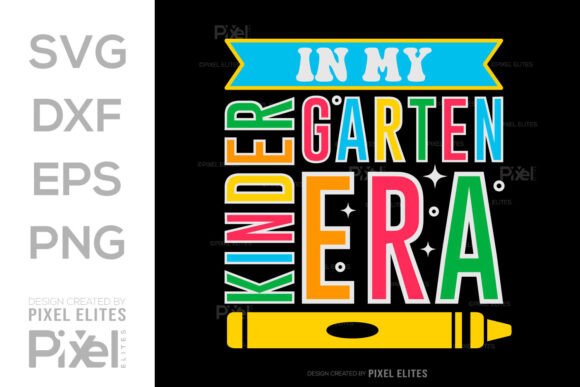
As a designer who spends most days translating digital files into actual stitches on fabric, my first filter for any new design is simple: does this feel like it was meant to be embroidered? When I opened “In My Kindergarten Era SVG Hello School,” that answer was immediate. It’s a design that, at its heart, speaks to a specific, warm, nostalgic mood. It isn’t just a graphic; it’s a sentiment ready to be worn or gifted.
The Instant Mood & Where It Belongs
The layout and theme land somewhere between cheerful and tender. “Hello School” paired with the “Kindergarten Era” framing feels welcoming and a little bit sentimental—perfect for marking a milestone. The visual personality is clear and friendly, not overly cluttered, which is a crucial advantage for embroidery. The detail level seems balanced; it likely won’t demand an excessive number of thread colors or become a dense stitch nightmare, making it a strong candidate for a variety of real-life projects.
In my mind, this design naturally belongs on items that celebrate beginnings. Picture a custom embroidered tote bag for a teacher’s first day, a cozy sweatshirt for a proud kindergarten student, or a delicate baby blanket for a nursery-themed gift. It also feels ideal for personalized products like aprons or pillow covers in a home that loves that whimsical, school-ready aesthetic. As a boutique product or Etsy listing, it taps into a recognizable, emotive niche that customers often seek for handmade gifts.
Performance in Real Embroidery Situations
Let’s walk through how “In My Kindergarten Era SVG Hello School” would perform in the scenarios I encounter daily. On custom apparel like t-shirts or sweatshirts, the clean shapes should translate well into satin stitches for the lettering and likely fill stitches for any decorative elements. The clarity should hold up, ensuring the message reads clearly from a distance—a key point for customer trust and visual appeal.
For a project like an embroidered patch or a cap, the design’s likely simplicity is an asset. Smaller, detailed corners can be tricky, but a well-balanced design minimizes that risk. On home goods—think pillow covers or kitchen towels—it would add that handmade presentation that elevates a simple item into a thoughtful gift. In commercial embroidery projects or for a craft business selling at fairs, it’s a design that feels approachable and universally understood, which aids buyer engagement.
Using it for printable mockups or digital product previews, the provided file formats like SVG and PNG are essential. They allow sellers to create clean previews for their shops, showing how the finished embroidery would look. This professionalism in presentation directly impacts perceived product value.
Where This Design Needs a Careful Approach
No design is universally perfect, and practical judgment means spotting the potential pitfalls. With any design featuring text, like this one, you must be cautious on very small hoop sizes. Tiny lettering can lose clarity if the stitch density isn’t adjusted. I’d be mindful using it on highly textured or stretchy fabrics, like certain knits, without a robust stabilizer plan.
Dark fabric backgrounds require thoughtful thread color contrast; a test on scrap fabric is non-negotiable here. Also, on curved surfaces like caps or on items needing frequent washing, such as baby clothes, you’d want to inspect the stitch integrity of small details to ensure longevity. Layered garments with seams might also pose placement challenges. The goal is to preserve that friendly, clear mood the design creates, even on trickier substrates.
Impact on Your Work & Your Customer
When you choose an embroidery file for a project, you’re betting on its ability to connect. “In My Kindergarten Era SVG Hello School” affects several layers. Its stitching clarity directly supports a professional finish, which builds customer trust in your handmade product or small shop brand. For brand consistency, if your niche is educational, nostalgic, or gift-focused items, this design aligns neatly.
Its giftability is high—it’s a design that explains itself. That recognition factor makes it easy for customers to envision it on a product, boosting engagement in your Etsy listings or craft fair displays. For commercial embroidery, it’s a straightforward, appealing asset. Ultimately, it’s a design that feels made to be stitched, not just stored on a drive.
Practical Designer Notes Before You Hoop It
Before you run this file on your machine for a client’s tote bag or your holiday gift collection, here’s my standard review checklist. First, always test the design on scrap fabric first, preferably in both a light and dark version of your project fabric. This reveals any issues with thread color contrast or stitch density.
Check your hoop size compatibility for the detail level. Inspect the small details in the design preview—are any corners too sharp for a smooth satin stitch? Review the provided file formats to ensure they work with your software, and remember, this file appears geared for cutting machines as well, which opens possibilities for appliqué or hybrid projects.
Critical note: Confirm the licensing terms before selling finished items or using it in commercial embroidery projects. The product description mentions the file formats and machine compatibility, but licensing specifics are not detailed here. It’s your responsibility to verify whether your use—personal gift or small business merchandise—is permitted.
Use proper stabilizer for your chosen fabric texture. And finally, step back and imagine it stitched. Does “In My Kindergarten Era SVG Hello School” look like it belongs on that baby item, boutique apron, or personalized sweatshirt? If the mood fits the product, and your technical prep is solid, this design has the potential to become a reliable, charming part of your embroidery project repertoire.